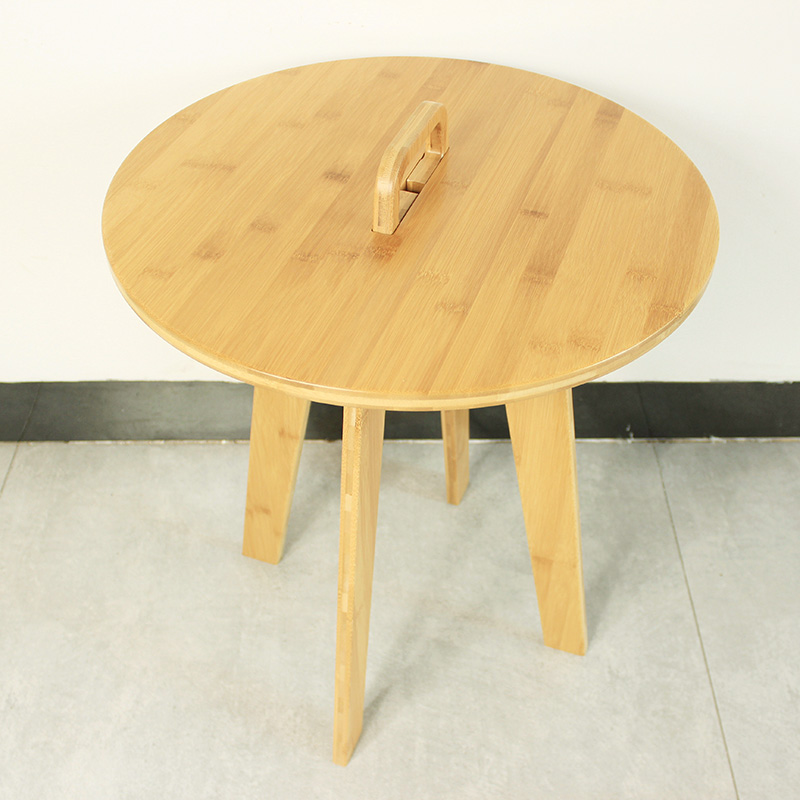
The case for bamboo furniture replacing wood rests on performance as much as principle. A well-made bamboo chair or table has to survive daily use, hold its shape in changing humidity and still look good after years. Understanding where bamboo beats timber helps buyers choose the right pieces – and avoid the wrong ones.
Hardness and wear resistance
Strand-woven bamboo reaches hardness levels above many common hardwoods, so it resists dents from chairs, feet and furniture movement. On high-traffic contract furniture – school desks, restaurant chairs, hotel casegoods – that translates into a longer service life before refinishing. The material science behind the density is set out in strand woven bamboo density and hardness.
Stability in real environments
Wood furniture expands and contracts with the seasons; engineered bamboo moves less. Controlled drying and resin bonding give bamboo panels and boards a lower, more predictable response to humidity. That matters in coastal homes, heated offices and hospitality venues where air conditioning and heating cycles repeat every year. Less movement means fewer loose joints and less cracking.
Light weight and design freedom
Bamboo’s strength-to-weight ratio lets designers make slimmer frames and lighter pieces without sacrificing strength. Flat panels, bent components and slatted forms are all possible, and the material takes stains and clear finishes evenly. Our bamboo tables and chairs and bamboo wave chair show how far the design language has moved beyond imitation wood.
Where the switch makes most sense
- Hospitality and contract – high traffic, frequent cleaning, need for long service life.
- Schools and offices – durability plus a visible sustainability story.
- Apartment and compact living – light, clean-lined pieces that are easy to move.
- Outdoor and semi-outdoor – with carbonized, weather-rated boards and proper sealing.
The green argument, backed by policy
Bamboo matures in four to six years and regrows after harvest, so replacing wood with bamboo reduces pressure on forests and stores carbon on a fast cycle. That argument now has policy weight: the 2026 APEC meetings in Shenzhen put green transformation and forest resilience on the regional agenda, while bamboo’s exclusion from EUDR scope eases market access into Europe compared with regulated hardwood. Buyers should still ask for FSC chain-of-custody and finish-emission data – the sustainability claim is strongest when documented.
Frequently asked questions
Is bamboo furniture as durable as hardwood furniture?
Quality strand-woven bamboo is as hard as or harder than many hardwoods and moves less with humidity, so it often outlasts comparable timber furniture in high-use settings.
Can bamboo furniture be used outdoors?
Yes, when made from carbonized, weather-rated boards with sealed edges and proper joints. Indoor-grade panels should stay indoors.
Why replace wood furniture with bamboo?
For hardness, dimensional stability, lighter weight and a fast-regenerating raw material that eases EUDR-related market access and supports low-carbon procurement.